



It may sound incredible, but our brain never stops — not even when we are completely relaxed. Even in moments of apparent inactivity, it keeps working behind the scenes, recalling patterns and preparing for the future.
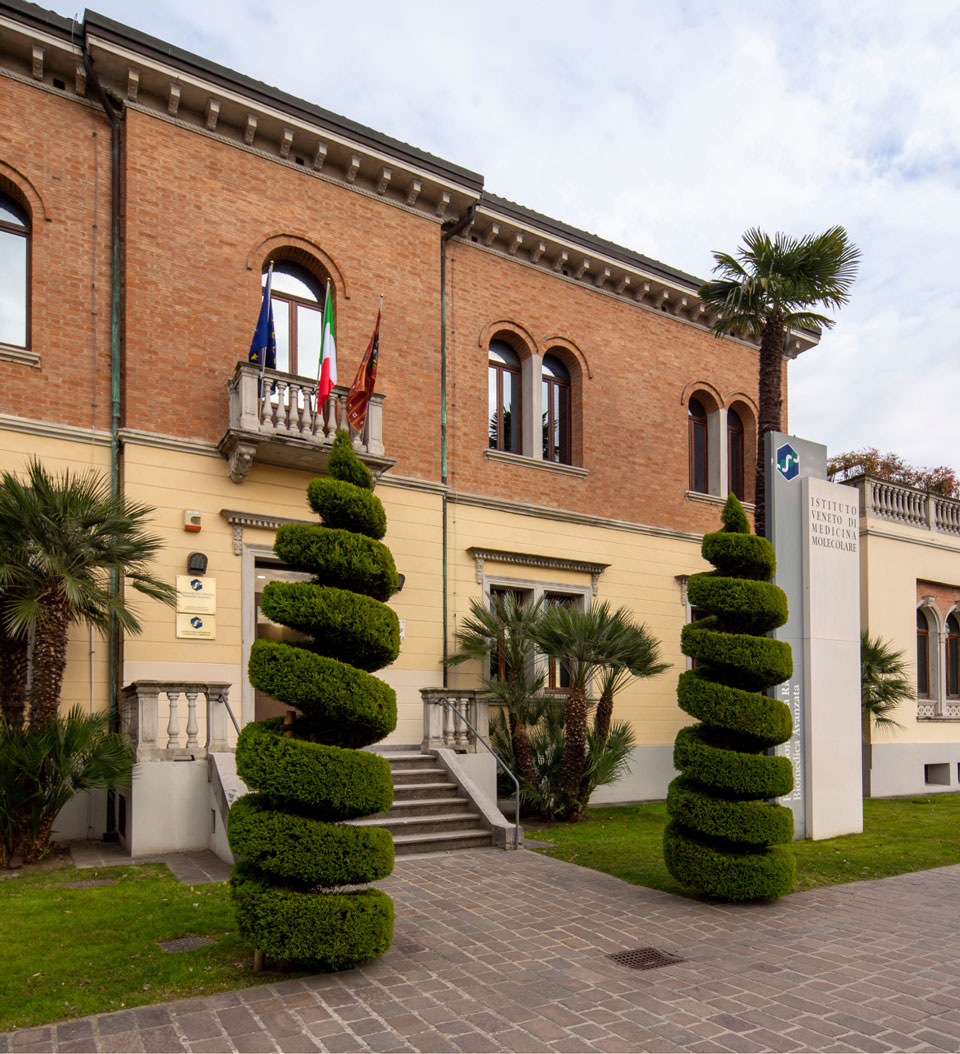
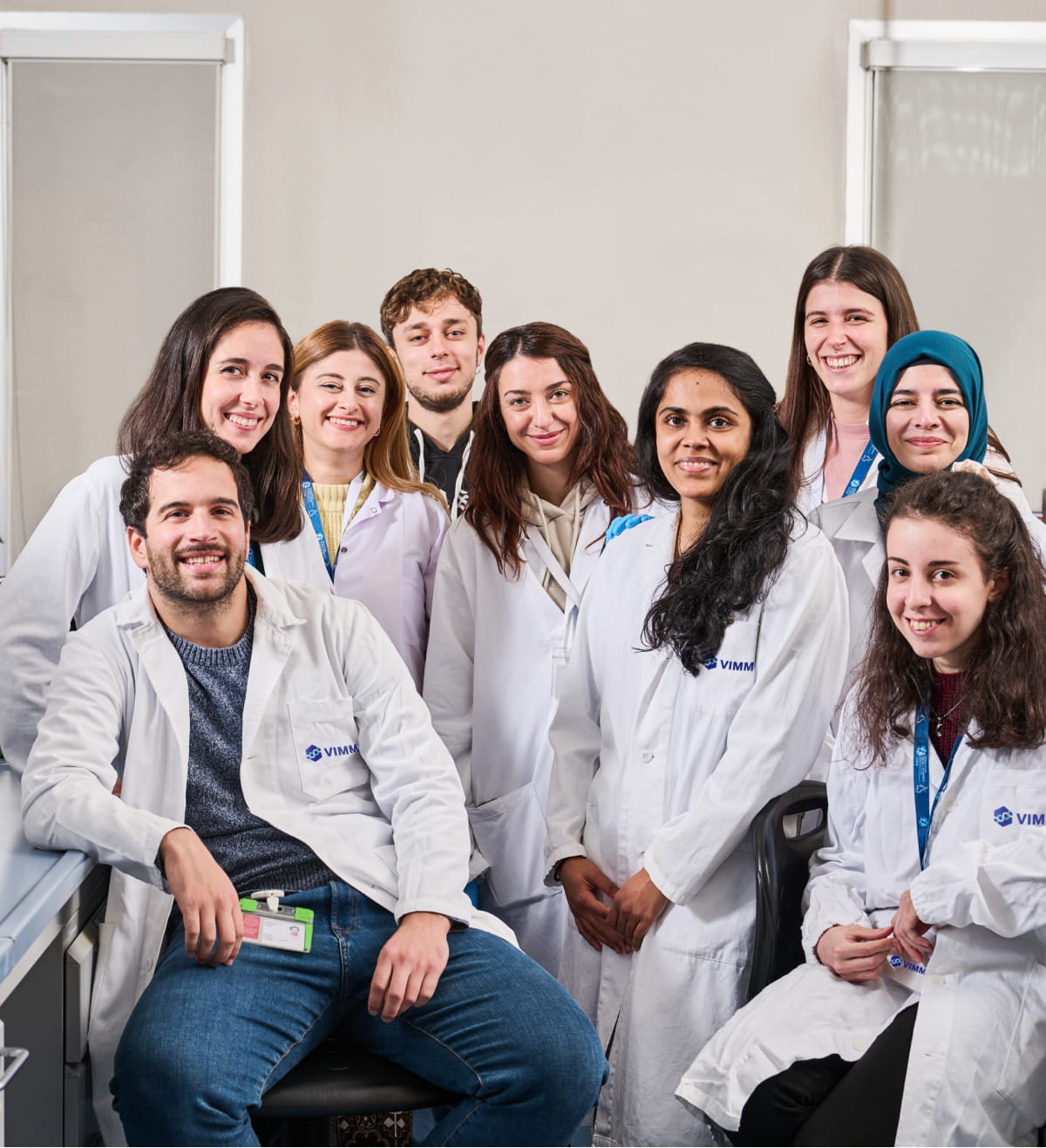
This has been demonstrated by an international research team led by Professor Maurizio Corbetta from the Department of Neuroscience at the University of Padua and Principal Investigator at the Veneto Institute of Molecular Medicine (VIMM). The group has recently published two studies in prestigious international journals, shedding new light on how our brain functions at rest.
In their literature review, “The predictive nature of spontaneous brain activity across scales and species,” published in Neuron, researchers Anastasia Dimakou, Andrea Zangrossi, Giovanni Pezzulo, and Maurizio Corbetta found that across different species — from worms to humans, including rodents and primates — the brain spontaneously preserves and recreates neural activity patterns similar to those activated during real behavior.
“Our brain is a living archive of past experiences,” explains Corbetta. “For example, the visual areas specialized in recognizing human faces show the same patterns of activity at rest as when a face is actually being observed. Studies suggest that this mechanism allows the brain to ‘rehearse’ and organize information — a sort of silent training that helps it respond to future stimuli.”
This hypothesis was also tested experimentally in the motor system. In the study “Brain-wide dynamic coactivation states code for hand movements in the resting state,” published in PNAS, researchers Lu Zhang, Lorenzo Pini, Gordon Shulman, and Corbetta demonstrated that the brain reproduces the same activity patterns both when performing a simple movement, such as opening and closing the hand, and when at rest. Moreover, these patterns are more frequent for familiar, habitual movements than for less common ones, suggesting that the brain uses rest periods to consolidate memory of past actions.
“We can imagine the brain as a student who unconsciously rehearses a lesson the day before an exam,” adds Corbetta. But the implications go even further. Understanding how the brain reproduces neural patterns during rest could open new avenues for research into neurological disorders. Investigating these mechanisms could prove crucial, for instance, in understanding and treating deficits caused by stroke — another central focus of Corbetta’s research team.
In short, even when we believe we are “doing nothing,” our brain is anything but inactive: it is a tireless archivist, a constant trainer, a computer continuously reprocessing and anticipating the future.
