Home > Persone > Bert Blaauw

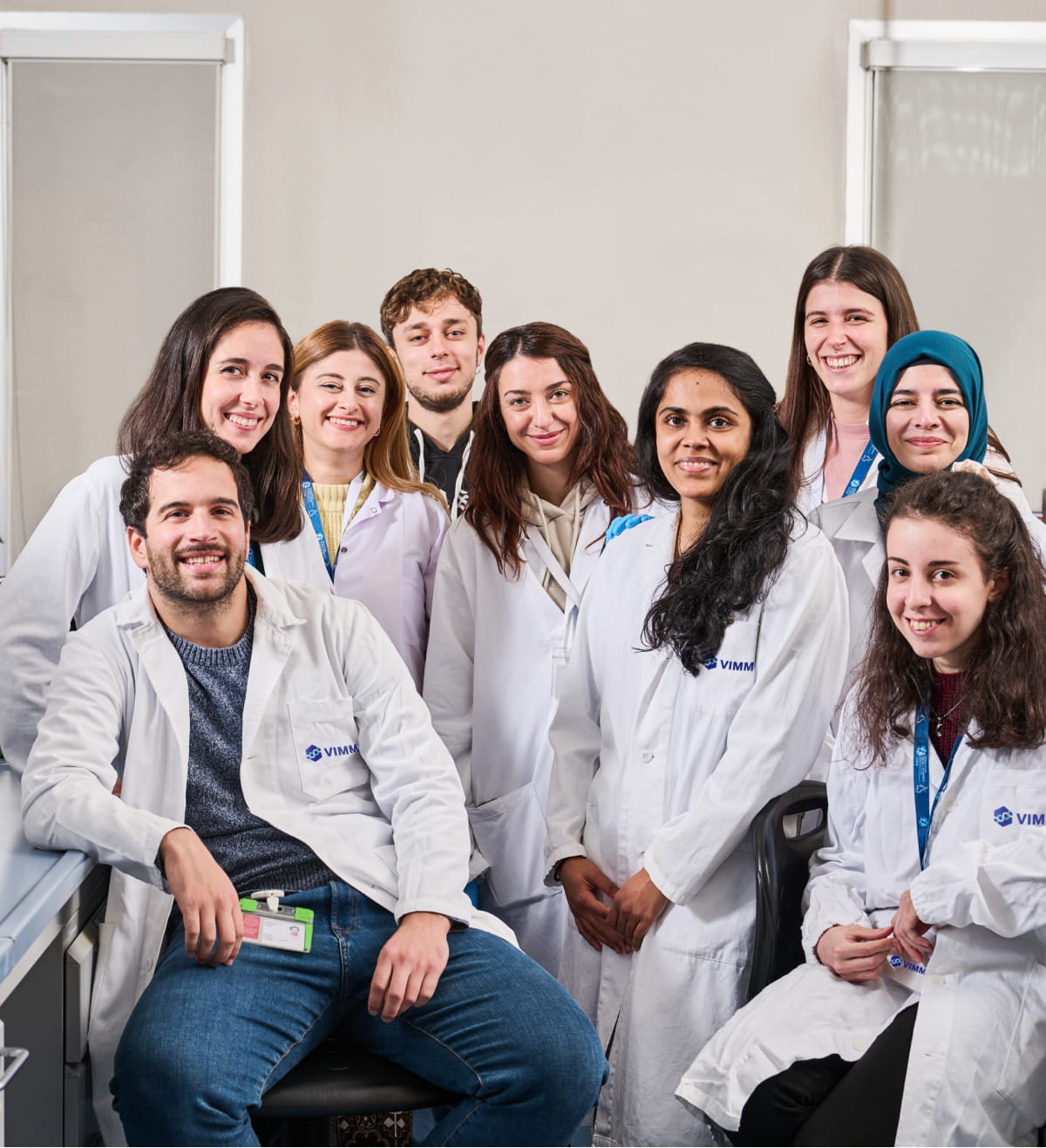
Bert Blaauw leads a laboratory that studies how muscles work and what happens when they weaken, for example with aging or during diseases such as cancer. His group analyzes the mechanisms that control muscle mass and strength, also by studying the effects of physical activity. He uses animal models and human muscle samples to better understand these processes and to develop therapies that help prevent or slow down muscle loss (sarcopenia and cachexia). His goal is to find new strategies to help people stay stronger and more independent for longer.
Bert Blaauw’s laboratory explores the cellular mechanisms underlying the adaptation and deterioration of skeletal muscle under physiological and pathological conditions. Particular emphasis is placed on the Akt-mTORC1 pathway, which is crucial in regulating muscle mass, contractile plasticity, and neuromuscular junction stability. His research integrates genetically modified animal models, biomechanical and transcriptomic analyses, and studies on human biopsies to identify molecular targets capable of preventing the loss of muscle strength associated with aging, cancer, and rare genetic diseases. His studies have direct implications for the development of therapeutic strategies related to physical exercise and muscle metabolic activity.
Neural stimulation suppresses mTORC1-mediated protein synthesis in skeletal muscle.
Reduced ATP turnover during hibernation in relaxed skeletal muscle.
Activation of Akt-mTORC1 signalling reverts cancer-dependent muscle wasting.
2008
PhD in Neurobiology
2008 - 2011
Postdoctoral Research Fellow - Università degli Studi di Padova
2011 -2016
Researcher - Università degli Studi di Padova
2012 - present
Principal Investigator - VIMM
2016- 2024
Associate Professor - Università degli studi di Padova
2025
Full Professor - Università degli studi di Padova
Support Our Research
Support Our Research